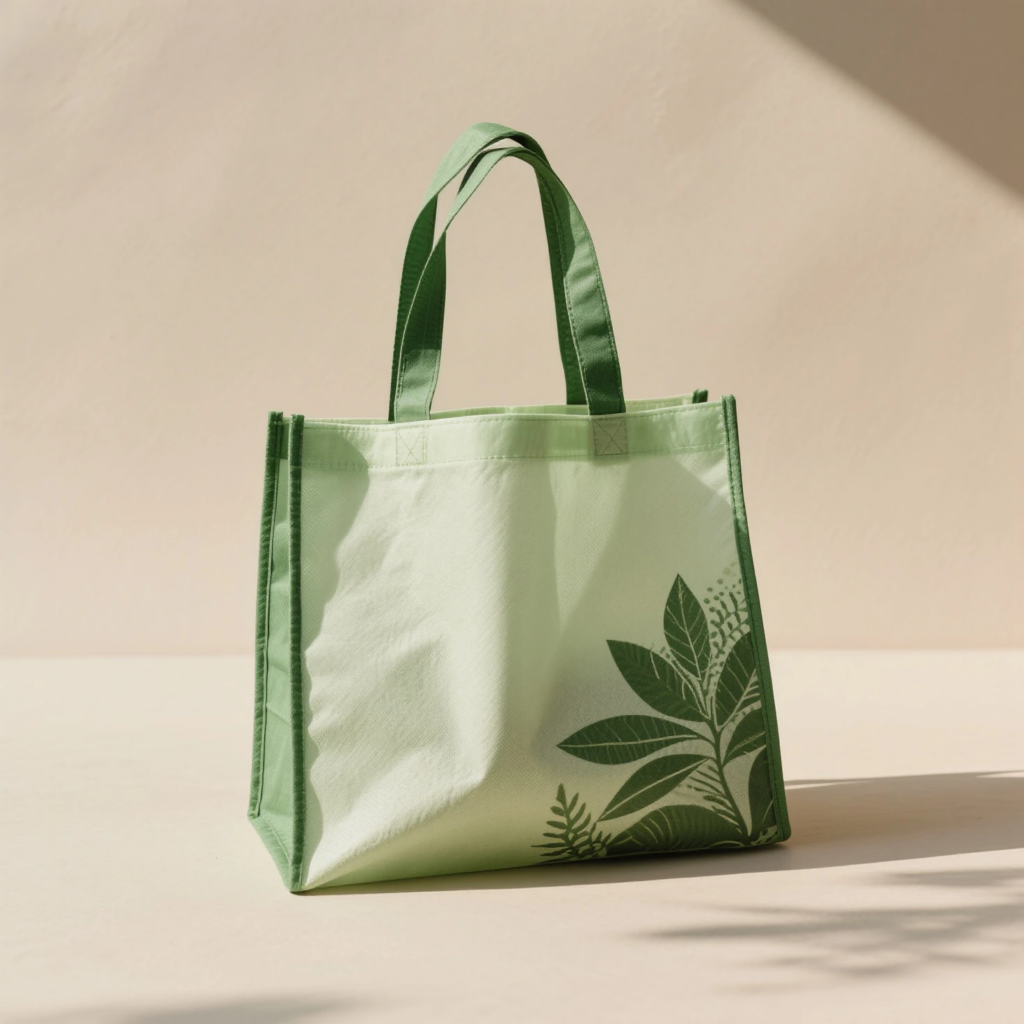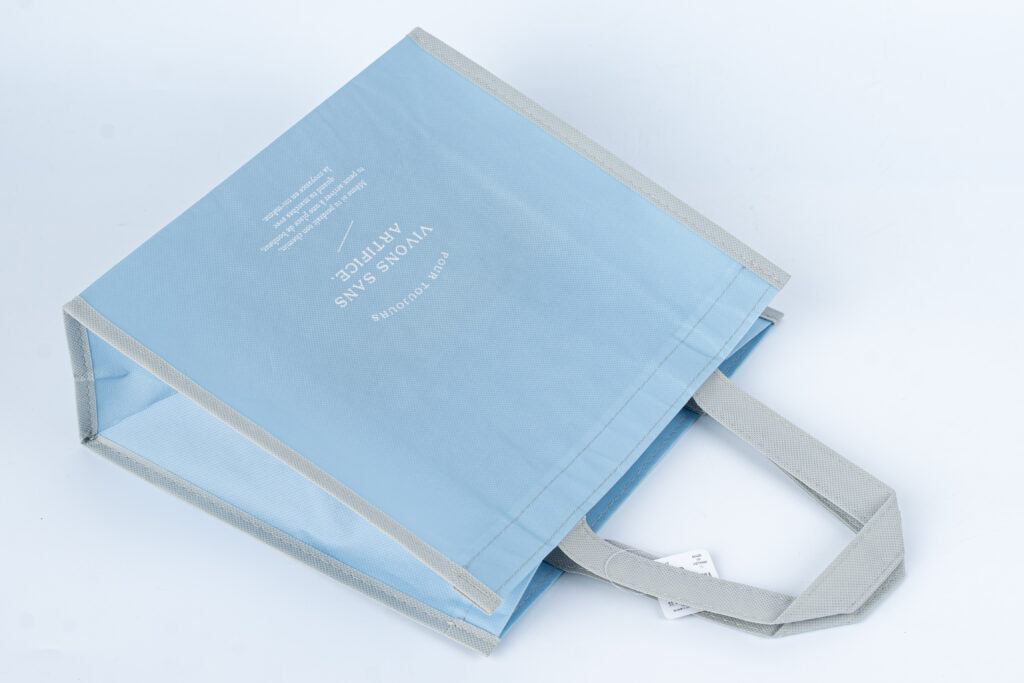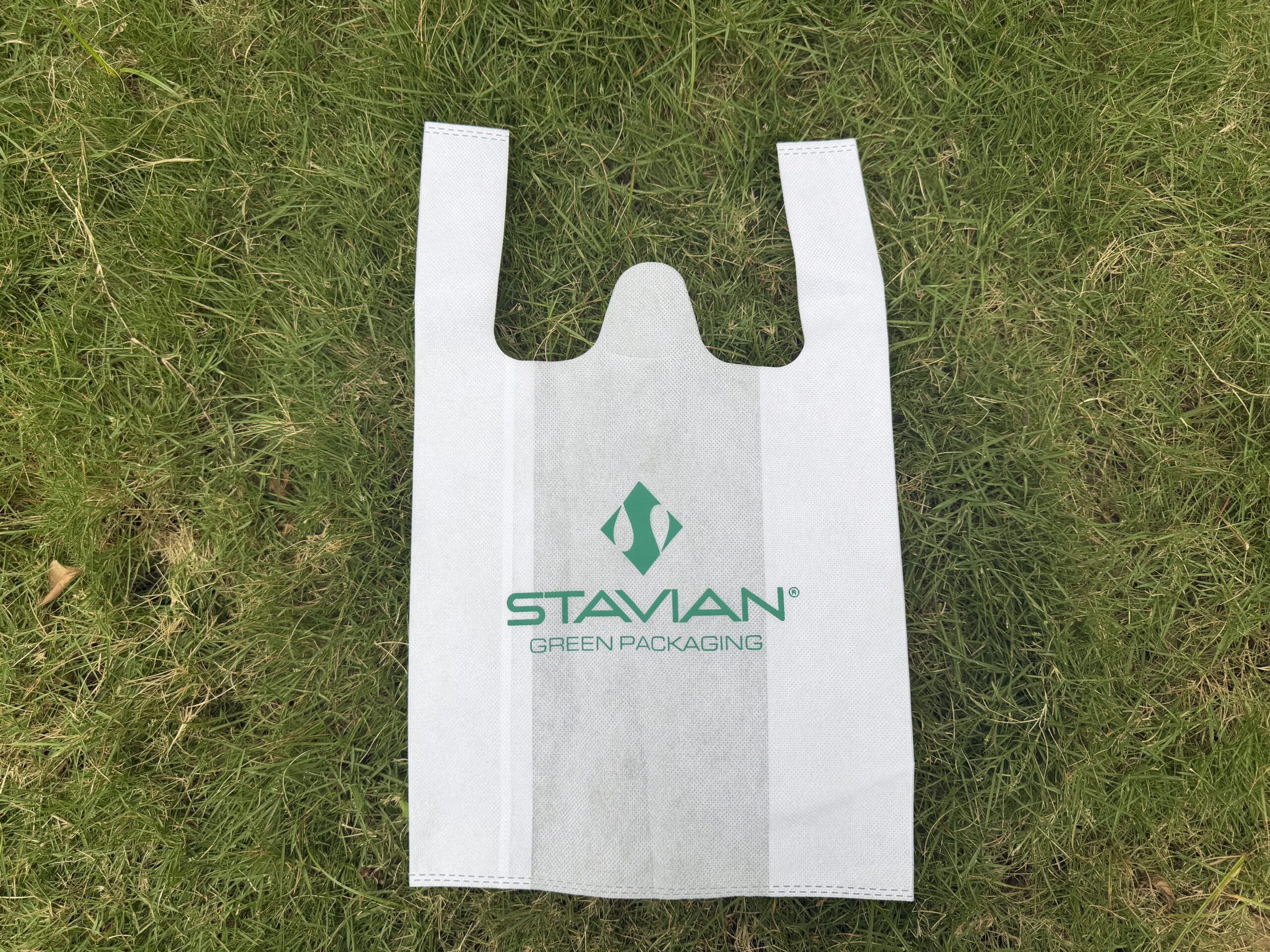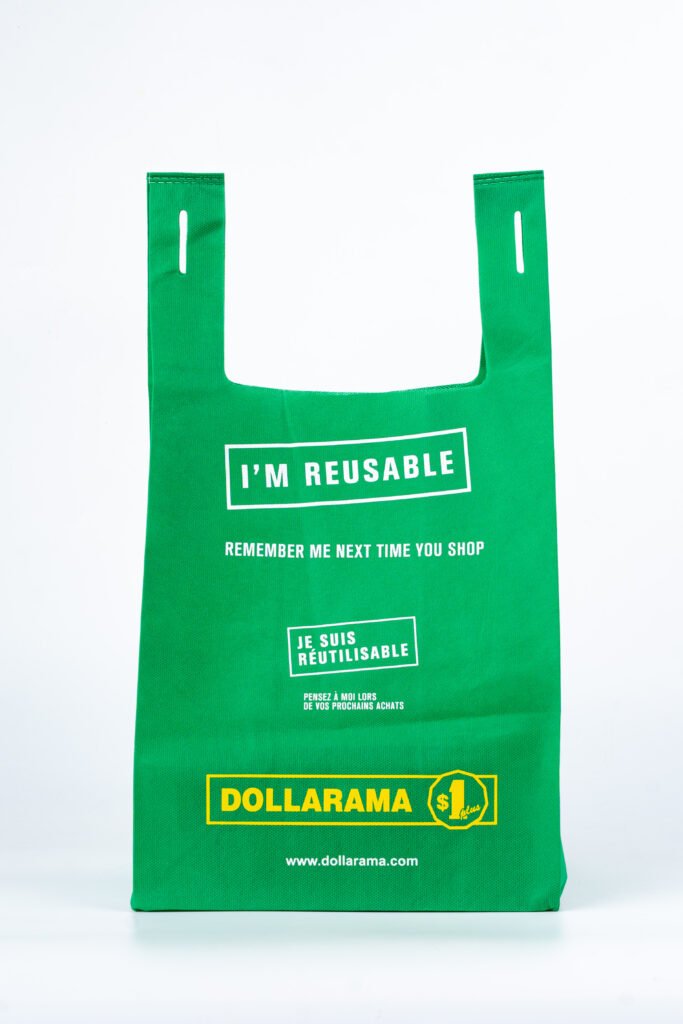
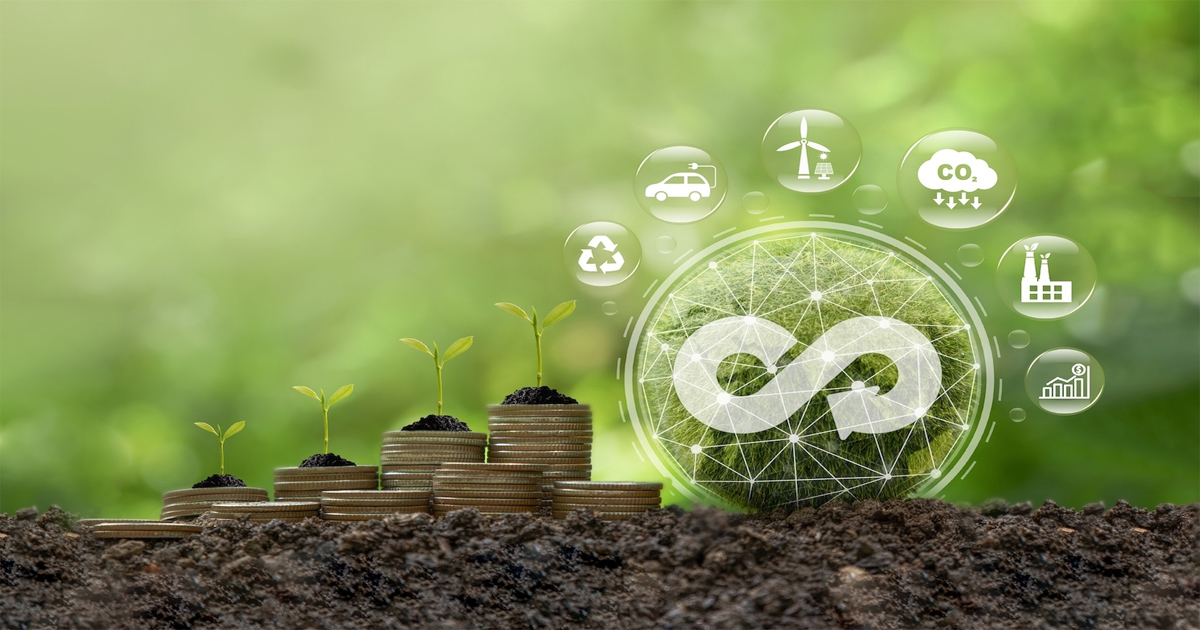
Why is green packaging becoming the new trend in the packaging industry?

In the era of green living and sustainable development, green packaging and environmental packaging are no longer options but necessities for every business. With growing concerns about climate change and environmental degradation, consumer demand for sustainable alternatives has surged dramatically.

From supermarkets and restaurants to fashion brands and agricultural exporters – all are making strong transitions toward sustainable packaging materials and recyclable packaging solutions, moving away from traditional plastic packaging. So why has green packaging become such a prominent new trend in the packaging industry? This article will clarify the key reasons, real-world applications, and how businesses can effectively catch up with this trend while reducing their environmental footprint and embracing the circular economy.
green packaging

1. What is green packaging? Outstanding features

Green packaging, also known as eco-friendly packaging or sustainable packaging, is a type of product packaging specifically designed to minimize negative impacts on the ecosystem. Green packaging materials typically utilize recyclable materials, biodegradable materials such as PLA (polylactic acid), recycled rPET, or plant-based packaging derived from cassava root starch, wheat straw, and other renewable resources, instead of traditional petroleum-based plastics. These bio-based materials and natural materials serve as effective substitutes for plastic, helping businesses transition away from virgin materials.

The key features of biodegradable packaging include natural decomposition in the environment, easy recyclability, reduced carbon footprint with lower greenhouse gas emissions, and food safety compliance. Unlike conventional polypropylene plastic or regular colored plastics that contain toxic chemicals and harmful substances contributing to microplastics pollution, green packaging made from organic materials, cellulose packaging, bioplastics, and plant-based materials significantly reduces the amount of hard-to-decompose packaging waste while still ensuring high durability, excellent product protection with moisture resistance, and superior aesthetic appeal. These packaging materials represent a fundamental shift toward environmental stewardship in modern commerce, delivering substantial environmental benefits including water conservation and material reduction.

2. Applications of green packaging across industries

2.1. Agriculture Industry

In agriculture, green packaging plays a vital role in food preservation and transporting fresh produce, fruits, and vegetables throughout the sustainable supply chain. Solutions such as compostable bags, breathable PE mesh bags, FSC certified cardboard boxes, and recycled paper packaging help minimize packaging waste from farms to distribution centers. Sustainable sourcing of these protective packaging materials, including post-consumer recycled content, ensures compliance with environmental standards.

These eco-friendly packaging options extend shelf life, reduce spoilage caused by moisture and mold, and are easily recyclable after use. Many Vietnamese agricultural exporters have already switched to sustainable packaging to comply with international food safety and environmental standards, thereby increasing the value of “green” agricultural products while reducing their overall environmental impact.

2.2. Food & Beverage Industry (F&B)

The F&B sector uses the largest volume of packaging and faces the strongest pressure to transition. Sustainable food packaging options in F&B include food bags, PE food wrap films, paper cups, paper bowls, containers made from sugarcane bagasse, areca leaf products, paper straws, bamboo straws, and compostable bags for fast food, bubble tea, snacks, and beverages. Innovative solutions like cornstarch packaging and molded pulp containers made from eco-friendly packaging materials are gaining popularity as sustainable packaging solutions.

These solutions not only ensure food hygiene and good heat resistance but also significantly reduce single-use plastic waste and packaging pollution – one of the biggest challenges in the F&B industry. The adoption of compostable packaging helps businesses meet eco-conscious consumers’ expectations while reducing landfill waste.

2.3. Fashion Industry

In the fashion sector, green packaging design allows brands to demonstrate their sustainability commitment right from the packaging stage. Popular options include recycled kraft paper bags from sustainable forestry, green box solutions, eco-friendly bags made from natural fibers and natural fabrics, jute bags, cotton bags, hemp bags, and reusable packaging made from PP/BOPP woven materials. These packaging alternatives offer superior durability compared to traditional nylon bags or polyester bags.

Sustainable packaging in fashion not only protects clothing and footwear from dust and moisture but also serves as a powerful marketing tool. Today’s eco-conscious consumers increasingly appreciate brands that use eco-friendly packaging, helping elevate the image of “green fashion” while demonstrating environmental responsibility.

2.4. Restaurants & Food Service Industry

Restaurants, cafes, and takeaway services generate enormous amounts of plastic waste from food containers, bags, and straws. Green packaging for restaurants typically includes PFAS-free compostable paper boxes, biodegradable plastic bags, BPA-free PE food wrap films, paper straws made from natural fibers, bamboo straws, and trays crafted from sustainable materials. These sustainable packaging solutions help reduce packaging pollution significantly while ensuring responsible disposal and proper end-of-life disposal management.

Switching to sustainable packaging helps food service businesses reduce long-term waste management costs, comply with restrictions on single-use plastics, and build stronger customer goodwill – especially among environmentally conscious diners who prioritize sustainable business practices and green business operations.

2.5. Branding & Corporate Gift Industry

Branding agencies, event organizers, and corporate gift companies are increasingly choosing green packaging to convey a sustainability message and strengthen brand positioning. From premium recycled paper bags and folding cartons to magnetic rigid boxes and custom-printed biodegradable plastic bags, these solutions make gifts look more luxurious and meaningful while enhancing customer satisfaction. Innovative packaging design using corrugated cardboard and tin boxes adds both aesthetic appeal and environmental value.
Eco-friendly packaging in this field not only protects products but also strengthens the brand’s image as a socially responsible organization. It is particularly suitable for CSR campaigns and gifts for partners or premium clients who value sustainable practices and environmental stewardship.

2.6. Retail Industry

Supermarkets, convenience stores, and e-commerce platforms consume vast quantities of packaging. Green packaging in retail includes biodegradable shopping bags, self-decomposing PE bags as plastic bag alternatives, multi-layer packaging for consumer goods, shipping boxes made from recycled materials, and PE stretch films for pallet wrapping. Retailers are moving away from traditional nylon bags and polyester bags toward more sustainable options that improve operational efficiency while reducing shipping costs and transportation costs through right-sized packaging and minimal packaging approaches.

Many large retail chains in Vietnam have replaced traditional plastic bags with sustainable packaging to align with the national plastic waste reduction plan. This move not only helps reduce plastic pollution and landfill waste but also attracts environmentally aware customers who seek reusable packaging options and make purchasing decisions based on environmental values.

3. Main reasons green packaging is the new trend
green packaging

3.1. Strong shift in Consumer Awareness

Today’s consumers, especially Millennials and Gen Z, are increasingly environmentally conscious and actively support the green movement. They prefer products with green packaging or sustainable packaging over single-use plastic, demonstrating their commitment to environmental responsibility and sustainable practices. This shift in consumer demand is driving businesses to capture greater market share in the growing green packaging market through eco-friendly initiatives.

Recent surveys show that over 90% of urban Vietnamese consumers are willing to pay more for items using eco-friendly packaging. This change drives businesses to adopt green packaging to meet market demand from eco-conscious consumers who prioritize green business values and environmental stewardship in their purchasing decisions.

3.2. Legal Regulations & Environmental Policies

The Vietnamese government is tightening environmental regulations and packaging regulations on plastic waste reduction and landfill waste management for environmental protection. National plans require supermarkets and shopping centers to switch to environmentally friendly packaging alternatives instead of hard-to-decompose plastic bags.

From 2026, certain single-use items will face circulation restrictions, and a plastic packaging tax may be implemented to discourage non-sustainable options. Globally, Extended Producer Responsibility (EPR) holds companies accountable for collecting and recycling their packaging through sustainable materials management. These policies make green packaging an inevitable trend in the packaging industry, encouraging businesses to conduct life cycle assessment studies and adopt packaging alternatives that support the circular economy.

3.3. Business Benefits & Sustainable Development

Adopting green packaging helps companies achieve regulatory compliance while enhancing brand positioning and customer satisfaction. Sustainable packaging reduces long-term costs through packaging optimization, use of renewable biomass, and recycling initiatives, delivering significant cost savings through material reduction and energy efficiency improvements. It also supports ESG criteria and sustainability goals, making it easier to attract international partners and expand exports. Implementing sustainable business practices through life cycle assessment and sustainable materials management demonstrates corporate environmental responsibility.

4. Stavian Packaging – Quality green packaging solutions

As one of Vietnam’s leading packaging manufacturers, Stavian Packaging is pioneering sustainable development through green technology and bioplastic product lines. Our Green Packaging Factory specializes in delivering sustainable packaging solutions with large-scale production capacity, modern technology, and rigorous quality assurance processes.

View our green packaging products here: https://stavianpackaging.com/product/
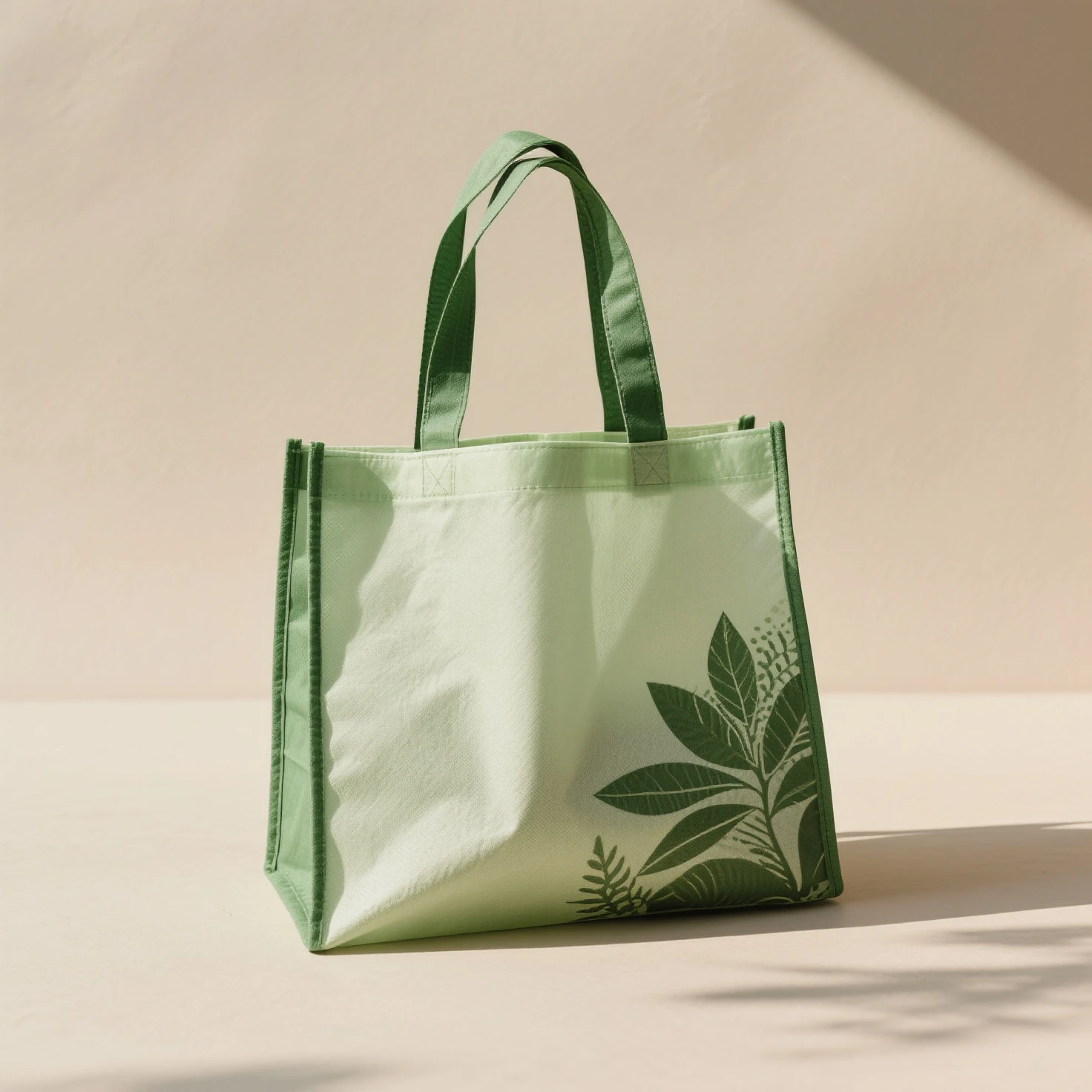
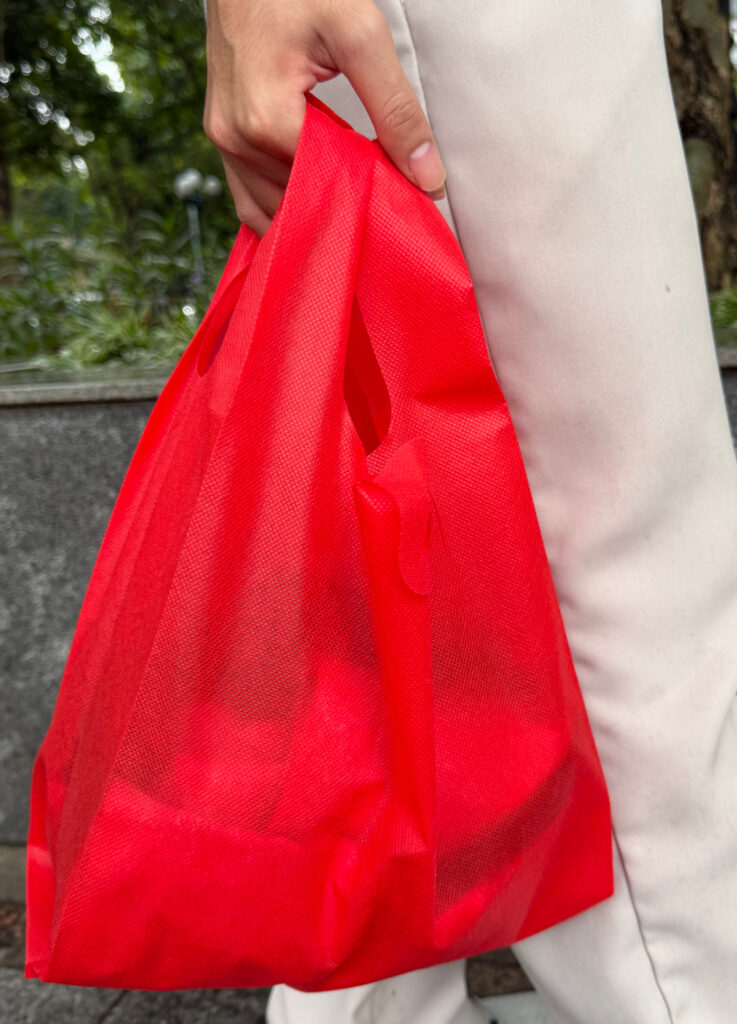
Non-woven bags – 3 reasons why supermarket chains and stores should use them

In a context where consumers are increasingly concerned about the environmental impact and regulations restricting single-use plastic bags and other single-use items, non-woven bags are becoming a smart eco-friendly alternative for supermarket chains, convenience stores, and shopping centers. Non-woven bags are made from non-woven polypropylene fabric and represent an ideal sustainable packaging solution. They are lightweight, durable, and highly reusable. This article shares the 3 main reasons why non-woven fabric bags have become an ideal reusable packaging solution, while also introducing their outstanding features for easy application in your business.

1. What are non-woven bags? Key features of non-woven bags

Non-woven fabric bags

Non-woven bags, also known as pp non-woven bags or non woven bag products, are produced from polypropylene fibers bonded by heat through a spun-bonded manufacturing process without traditional weaving. This creates a soft, breathable, water-resistant yet extremely strong material. Unlike thin plastic bags that tear easily, non-woven fabric bags have a thickness ranging from 50-120gsm, excellent tear resistance, sharp printing quality, and are easy to fold compactly.Compared to canvas bags, jute bags, or burlap bags made from natural coarse fabrics, non-woven fabric bags offer advantages in cost and mass production capability while using recyclable materials.

The main features of non-woven bags include:

-Eco-friendly, reusable and recyclable up to 50-100 times.
-Lightweight carry bags, easy to transport, with high durability and strength and the load capacity to hold 10-15kg depending on thickness.
-Easy logo and slogan custom printing using offset, screen printing, heat transfer printing, lamination printing, or flexographic printing technology.
-Reasonable pricing with flexible minimum order quantities, suitable for large-volume production for supermarkets and stores.

With these advantages, non-woven fabric bags not only replace single-use plastic bags but also contribute to building a green brand image for retail businesses.

2. 3 Reasons why supermarkets and stores should use non-woven fabric bags

non-woven bags

2.1. Protect the Environment and Ensure Legal Compliance

One of the top reasons supermarket chains and stores should switch to non-woven bags is their ability to minimize solid waste and plastic pollution. Single-use plastic bags are strictly restricted under Vietnam’s Law on Environmental Protection 2020 and related decrees. Using non-woven fabric bags helps businesses achieve regulatory compliance and environmental compliance while significantly reducing the amount of plastic bags released into the environment, preventing microplastics contamination and encouraging customers to reuse them and adopt a greener lifestyle as part of the green revolution.

According to various studies, each non-woven fabric bag can replace hundreds of single-use plastic bags, contributing to reduced carbon footprint and carbon emissions while protecting ecosystems. The recyclability of non-woven fabric bags also helps minimize post-use landfill waste, creating a sustainable circular economy aligned with sustainability goals. Modern customers prefer shopping at places that use non-woven fabric bags because they feel cleaner and greener. Businesses adopting non-woven fabric bags not only comply with regulations but also enhance their corporate social responsibility (CSR) image and improve esg reporting, demonstrating commitment to sustainability initiatives.

2.2. Achieve Long-Term Cost Savings and Increase Supply Chain Sustainability

Non-woven fabric bags have a much longer lifespan compared to regular plastic bags. A supermarket chain using non-woven fabric bags can save significantly on daily bag replacement costs and achieve long-term savings on packaging costs. The low cost per use makes them economically attractive. Customers are encouraged to bring back old bags or purchase additional ones at preferential prices through bulk purchasing options, creating an extra revenue stream for the store and improving profit margins.

In particular, non-woven fabric bags feature high durability and strong load-bearing capacity, reducing the risk of tearing during bulk shopping. For fashion retail stores, mini-supermarkets, food service establishments, delivery services, or convenience stores, using non-woven bags also optimizes storage space thanks to their compact and lightweight design, enhancing operational efficiency. The total long-term cost is much lower than continuously purchasing single-use plastic bags.

2.3. Enhance Brand Recognition and Customer Experience

Non-woven bags serve as the most effective “mobile billboards” and marketing tool for supermarkets and stores in brand marketing strategies. With a flat surface and vibrant color printing, businesses can easily print logos, promotional messages, or product information on custom non-woven promotional bags. When customers carry the grocery bags outside, your brand gains free exposure and enhanced brand visibility.

Many large supermarket chains have adopted non-woven fabric bags printed with the store name for promotional campaigns, trade shows, and corporate events, making customers feel more valued and connected while building customer loyalty. These are not just shopping bags but also small gift items that enhance the overall shopping experience and improve consumer perception. The positive brand image enhancement and brand reputation benefits are substantial. Non-woven fabric bags come in a variety of sizes and colors, from simple tote bags to more complex retail packaging designs, making them suitable for all types of businesses, from large supermarkets to specialty stores.

3. Stavian Packaging – Quality non-woven bags solutions for supermarkets and stores

If you are looking for high-quality, durable, and competitively priced non-woven bags, Stavian Packaging is a reliable partner offering comprehensive packaging solutions. We offer a wide range of non-woven bags that meet strict quality standards, suitable for supermarket chains and retail stores, from standard shopping bags to specialized custom non woven designs.

You can explore our non-woven fabric bags product line here: https://greenbags.stavianpackaging.com/products/pp-non-woven-fabric-2/

Non-woven T-shirt bags – A eco-friendly packaging solution

As plastic waste pollution becomes increasingly severe, replacing traditional plastic bags with environmentally friendly alternatives has become an inevitable trend. Non-woven T-shirt bags are a modern, convenient, and sustainable packaging solution, widely trusted by businesses, retailers, and distribution systems today.

1. What are non-woven T-shirt bags?

túi t-shirt vải không dệt

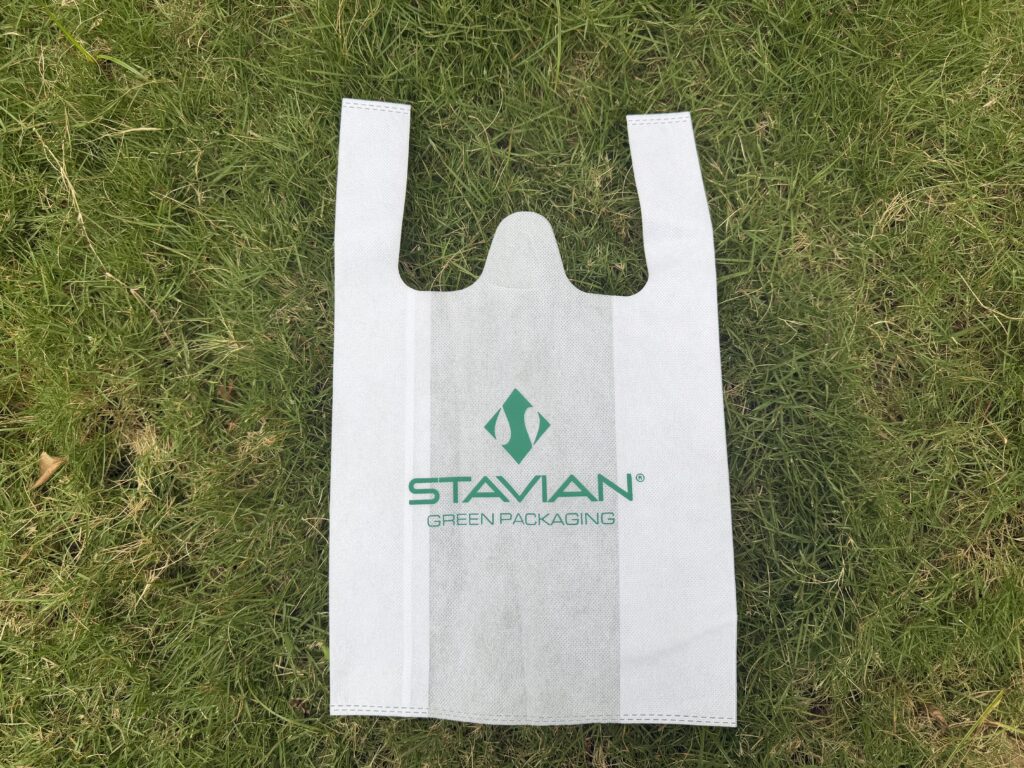
Non-woven T-shirt bags feature an integrated handle design similar to a T-shirt shape and are made from high-quality non-woven fabric. This material is lightweight yet highly durable, offers excellent load-bearing capacity, and can be reused multiple times, helping to significantly reduce plastic waste and its impact on the environment.

Thanks to their compact and practical design, non-woven T-shirt bags are commonly used in supermarkets, convenience stores, fashion shops, trade fairs, events, and promotional campaigns.

2. Key advantages of non-woven T-shirt bags

2.1. Durable and environmentally friendly material

túi t-shirt vải không dệt

Made from premium non-woven fabric, these bags are stronger and more tear-resistant than conventional plastic bags. They also offer better biodegradability, helping to minimize negative environmental impact.

2.2. Reusable – cost-effective solution

Unlike single-use plastic bags, non-woven T-shirt bags can be reused many times without tearing or losing shape. This not only supports environmental protection but also reduces long-term packaging costs for businesses.

2.3. Easy logo printing & brand recognition

túi t-shirt vải không dệt

The smooth, flat surface of non-woven fabric allows for clear, sharp, and eye-catching printing of logos, slogans, and brand images. This makes the bags an effective marketing tool that naturally enhances brand visibility.

2.4. Light water resistance – easy to clean

The bags provide light water resistance, helping to protect the contents inside. After use, they can be easily wiped clean and dry quickly, saving time and effort.

2.5. Convenient T-shirt handle design

The integrated T-shirt-style handles make the bags comfortable to carry and easy to use. Their lightweight and practical design suits a wide range of applications, from everyday shopping to large-scale events.

Stavian Green Packaging – A trusted supplier of non-woven T-shirt bags

Stavian Green Packaging is proud to be a professional manufacturer and supplier of high-quality non-woven T-shirt bags, serving diverse needs from individual customers and retail stores to large enterprises.

We offer:

– A wide range of sizes, colors, and thickness options

– Solutions suitable for various industries such as retail, food, fashion, events, and exhibitions

Discover our products here: https://greenbags.stavianpackaging.com/products/t-shirt-bag/

PP Packaging – The Optimal Choice for a Green and Sustainable Future

As the world intensifies efforts to reduce plastic waste and transition toward a circular economy, PP plastic packaging (Polypropylene) is increasingly proving its essential role. Thanks to its outstanding properties such as safety, durability, reusability, and high recyclability, PP packaging is widely regarded as one of the most suitable materials for long-term sustainable development.

Today, many countries are enforcing stricter environmental regulations on the packaging industry. In this context, PP packaging has emerged as an effective solution that not only meets functional requirements but is also more environmentally friendly than many traditional plastic materials.

1. What is PP packaging ?

PP (Polypropylene) is a thermoplastic polymer known for its lightweight nature, high mechanical strength, and excellent resistance to heat and impact. Most importantly, PP is non-toxic and safe for users, making it suitable for a wide range of applications—from heavy industrial packaging to everyday consumer products.

Thanks to these advantages, PP plastic packaging helps to:

– Reduce single-use packaging

– Extend product life cycles

– Minimize plastic waste generation

– Promote reuse and recycling

As a result, PP packaging is becoming the preferred choice for businesses pursuing green growth and sustainable development strategies.

2. PP woven fabric – A durable solution for industrial packaging

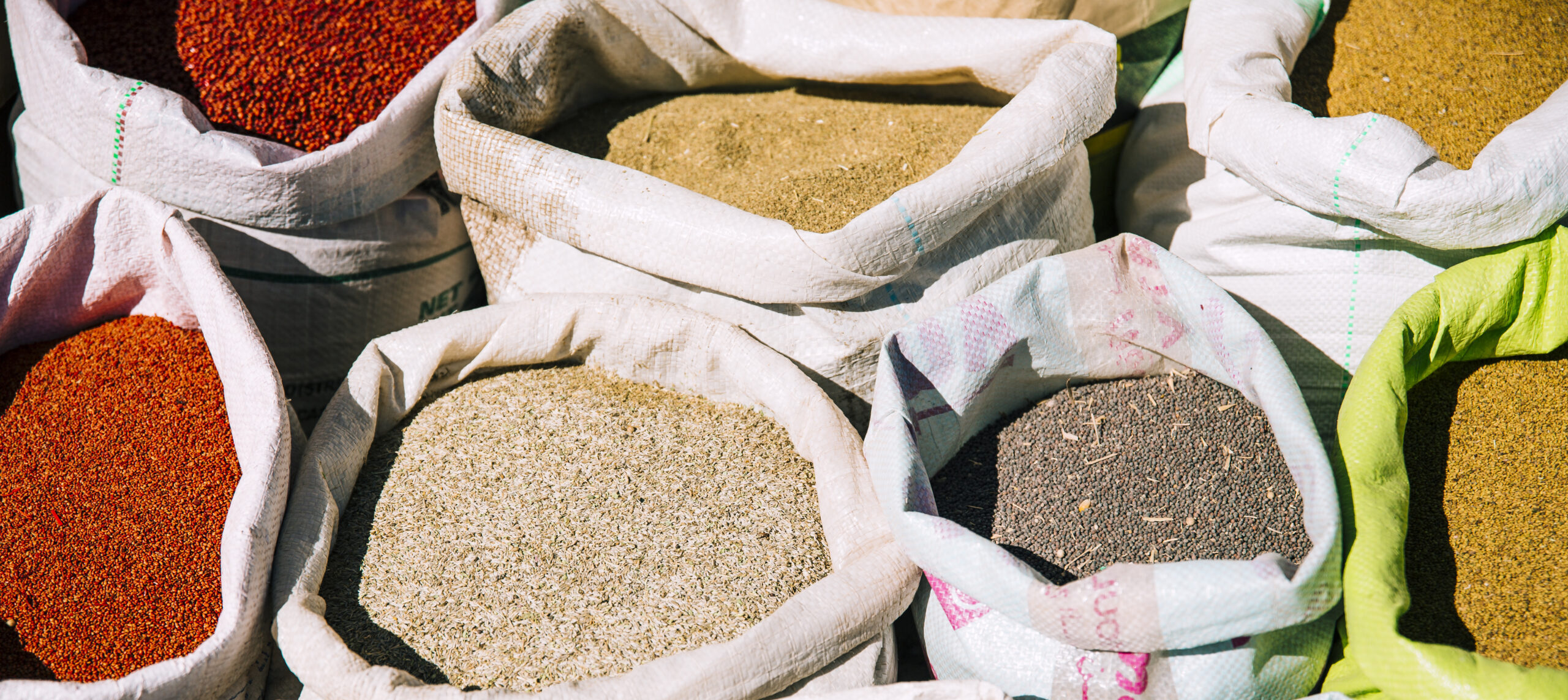
PP woven fabric stands out for its excellent load-bearing capacity and superior durability. With a tightly woven structure, this material is widely used in industrial packaging applications where strength and safety are critical.

Common PP woven fabric products include: Agricultural packaging bags, cement bags, fertilizer bags, chemical packaging bags, jumbo bags (FIBC)

Beyond industrial use, PP woven fabric is also increasingly applied in consumer and retail markets, such as: PP woven shopping bags (market bags, supermarket bags), advertising and promotional bags, reusable fashion bags

These products are not only strong and long-lasting but also easy to print with logos and branding, helping businesses enhance brand visibility effectively.

3. PP non-woven fabric – Lightweight, versatile, and eco-friendly

Alongside woven fabric, PP non-woven fabric plays a vital role in modern consumer packaging. Lightweight, soft, easy to shape, and environmentally friendly, PP non-woven fabric is especially popular for products designed for end consumers.

Typical applications of PP non-woven fabric include: Reusable shopping bags, promotional and giveaway bags, event and conference bags

With its attractive appearance, easy processing, and reasonable cost, PP non-woven packaging enables businesses to convey a green message while leaving a positive and professional impression on customers.

Thanks to its flexibility and wide range of applications, PP plastic packaging is steadily gaining market dominance. Beyond meeting diverse usage needs, PP aligns well with environmental policies and long-term sustainability goals adopted by businesses worldwide.

Comprehensive PP packaging solutions from Stavian Green Packaging

Are you looking for high-quality PP packaging solutions? Stavian Green Packaging proudly offers a wide range of PP woven and PP non-woven fabric products in various sizes, colors, designs, and thicknesses – meeting all usage and brand promotion needs.

Discover more our products here: https://greenbags.stavianpackaging.com/products/

What Makes Pipping Sewing Non-Woven Bags Superior?

In today’s era of sustainable consumption and eco-friendly living, pipping sewing non-woven bags are increasingly becoming the preferred packaging solution for businesses and consumers alike. More than just a carrying tool, these bags help enhance brand image, demonstrate environmental responsibility, and deliver long-term value. So, what makes pipping sewing non-woven bags stand out from other packaging options? Let’s explore their outstanding advantages below.

1. Superior durability – Long-lasting and cost-effective

túi vải không dệt may viền

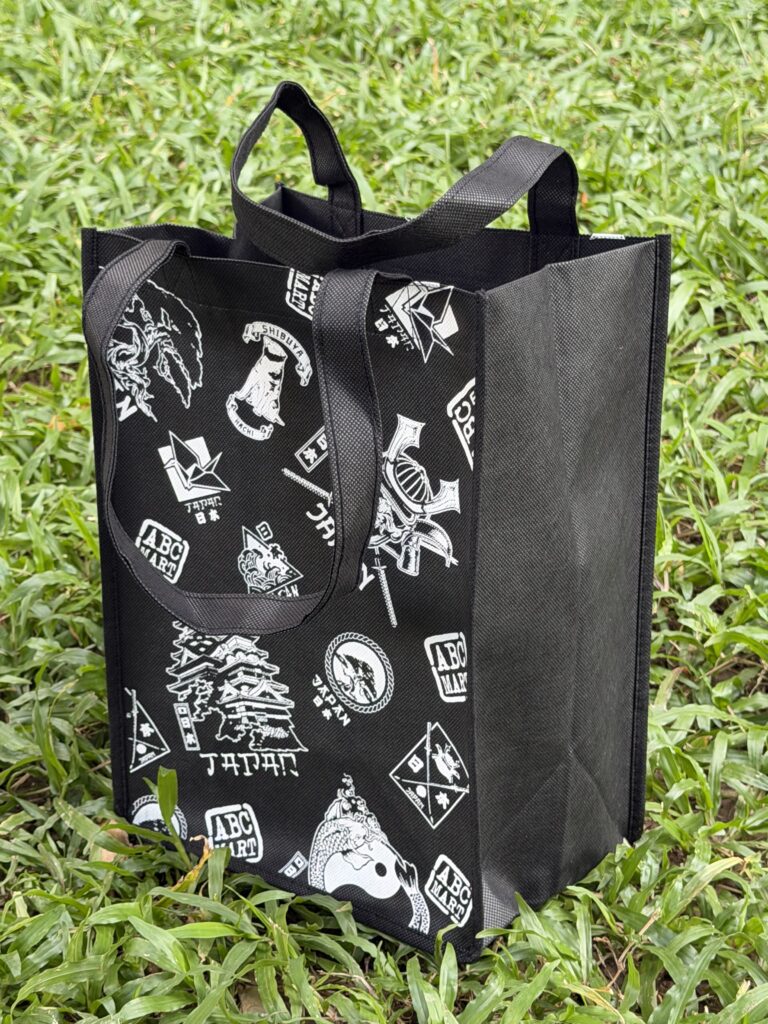
One of the most notable advantages of PP pipping sewing non-woven bags is their exceptional durability. Reinforced pipping sewing along the edges significantly improves load-bearing capacity, preventing tearing or fraying even when carrying heavy items. Thanks to this solid construction, the bags can be reused many times without losing their shape or strength.

Compared to single-use plastic bags, pipping sewing non-woven bags help businesses reduce long-term packaging costs while offering customers a practical, reusable product that adds real value.

2. Elegant shape – A more premium and professional look

Beyond durability, pipping sewing non-woven bags maintain a neat and structured form. The carefully sewn piping edges help the bag hold its shape, avoiding wrinkles or deformation during use. This creates a more refined, premium, and professional appearance compared to heat-sealed or non-stitched bags.

Because of this aesthetic advantage, pipping sewing non-woven bags are ideal for: Fashion and apparel stores, cosmetics and beauty brands, showrooms and retail outlets, conferences, exhibitions, and corporate events

A well-designed pipping sewing non-woven bag not only enhances the value of the products inside but also elevates brand perception in the eyes of customers.

3. High load capacity – safe for heavy and bulky items

Made from durable PP non-woven fabric combined with reinforced pipping sewing, these bags offer excellent load-bearing performance. Businesses can confidently use them to carry: Gift boxes and promotional items, documents and catalogs, cosmetics and food products, medium to heavy merchandise

This strength ensures customer satisfaction and encourages repeated use, allowing your brand logo and message to be seen repeatedly in everyday life – an effective and low-cost branding strategy.

4. Eco-friendly choice – Supporting sustainable consumption

PP pipping sewing non-woven bags are an environmentally responsible alternative to plastic packaging. Designed for repeated use, they help significantly reduce plastic waste and environmental pollution.

As consumers become more environmentally conscious, using eco-friendly packaging sends a powerful message. Choosing pipping sewing non-woven bags allows businesses to demonstrate corporate social responsibility and align with sustainable development goals—an increasingly important factor in purchasing decisions.

5. Easy logo printing – Boost brand recognition

Pipping sewing non-woven bags feature a smooth surface and come in a wide range of colors, making them ideal for logo and brand message printing. Advanced printing techniques ensure sharp images, vibrant colors, and long-lasting results that won’t peel or fade easily.

Each pipping sewing non-woven bag effectively becomes a mobile advertising tool, helping brands reach wider audiences at a low marketing cost while maintaining a professional appearance.

Choose High-Quality Pipping Sewing Non-Woven Bags for Your Brand

Stavian Green Packaging is a trusted manufacturer of high-quality PP pipping sewing non-woven bags, serving both individual and corporate clients. We provide custom design and printing services, ensuring durable, visually appealing products tailored to your branding and packaging needs.

Discover more our products here: https://greenbags.stavianpackaging.com/products/

Receive free product samples


    MsMr