

In the era of green living and sustainable development, green packaging and environmental packaging are no longer options but necessities for every business. With growing concerns about climate change and environmental degradation, consumer demand for sustainable alternatives has surged dramatically.
From supermarkets and restaurants to fashion brands and agricultural exporters – all are making strong transitions toward sustainable packaging materials and recyclable packaging solutions, moving away from traditional plastic packaging. So why has green packaging become such a prominent new trend in the packaging industry? This article will clarify the key reasons, real-world applications, and how businesses can effectively catch up with this trend while reducing their environmental footprint and embracing the circular economy.
1. What is green packaging? Outstanding features
Green packaging, also known as eco-friendly packaging or sustainable packaging, is a type of product packaging specifically designed to minimize negative impacts on the ecosystem. Green packaging materials typically utilize recyclable materials, biodegradable materials such as PLA (polylactic acid), recycled rPET, or plant-based packaging derived from cassava root starch, wheat straw, and other renewable resources, instead of traditional petroleum-based plastics. These bio-based materials and natural materials serve as effective substitutes for plastic, helping businesses transition away from virgin materials.
The key features of biodegradable packaging include natural decomposition in the environment, easy recyclability, reduced carbon footprint with lower greenhouse gas emissions, and food safety compliance. Unlike conventional polypropylene plastic or regular colored plastics that contain toxic chemicals and harmful substances contributing to microplastics pollution, green packaging made from organic materials, cellulose packaging, bioplastics, and plant-based materials significantly reduces the amount of hard-to-decompose packaging waste while still ensuring high durability, excellent product protection with moisture resistance, and superior aesthetic appeal. These packaging materials represent a fundamental shift toward environmental stewardship in modern commerce, delivering substantial environmental benefits including water conservation and material reduction.
2. Applications of green packaging across industries
2.1. Agriculture Industry
In agriculture, green packaging plays a vital role in food preservation and transporting fresh produce, fruits, and vegetables throughout the sustainable supply chain. Solutions such as compostable bags, breathable PE mesh bags, FSC certified cardboard boxes, and recycled paper packaging help minimize packaging waste from farms to distribution centers. Sustainable sourcing of these protective packaging materials, including post-consumer recycled content, ensures compliance with environmental standards.
These eco-friendly packaging options extend shelf life, reduce spoilage caused by moisture and mold, and are easily recyclable after use. Many Vietnamese agricultural exporters have already switched to sustainable packaging to comply with international food safety and environmental standards, thereby increasing the value of “green” agricultural products while reducing their overall environmental impact.
2.2. Food & Beverage Industry (F&B)
The F&B sector uses the largest volume of packaging and faces the strongest pressure to transition. Sustainable food packaging options in F&B include food bags, PE food wrap films, paper cups, paper bowls, containers made from sugarcane bagasse, areca leaf products, paper straws, bamboo straws, and compostable bags for fast food, bubble tea, snacks, and beverages. Innovative solutions like cornstarch packaging and molded pulp containers made from eco-friendly packaging materials are gaining popularity as sustainable packaging solutions.
These solutions not only ensure food hygiene and good heat resistance but also significantly reduce single-use plastic waste and packaging pollution – one of the biggest challenges in the F&B industry. The adoption of compostable packaging helps businesses meet eco-conscious consumers’ expectations while reducing landfill waste.
2.3. Fashion Industry
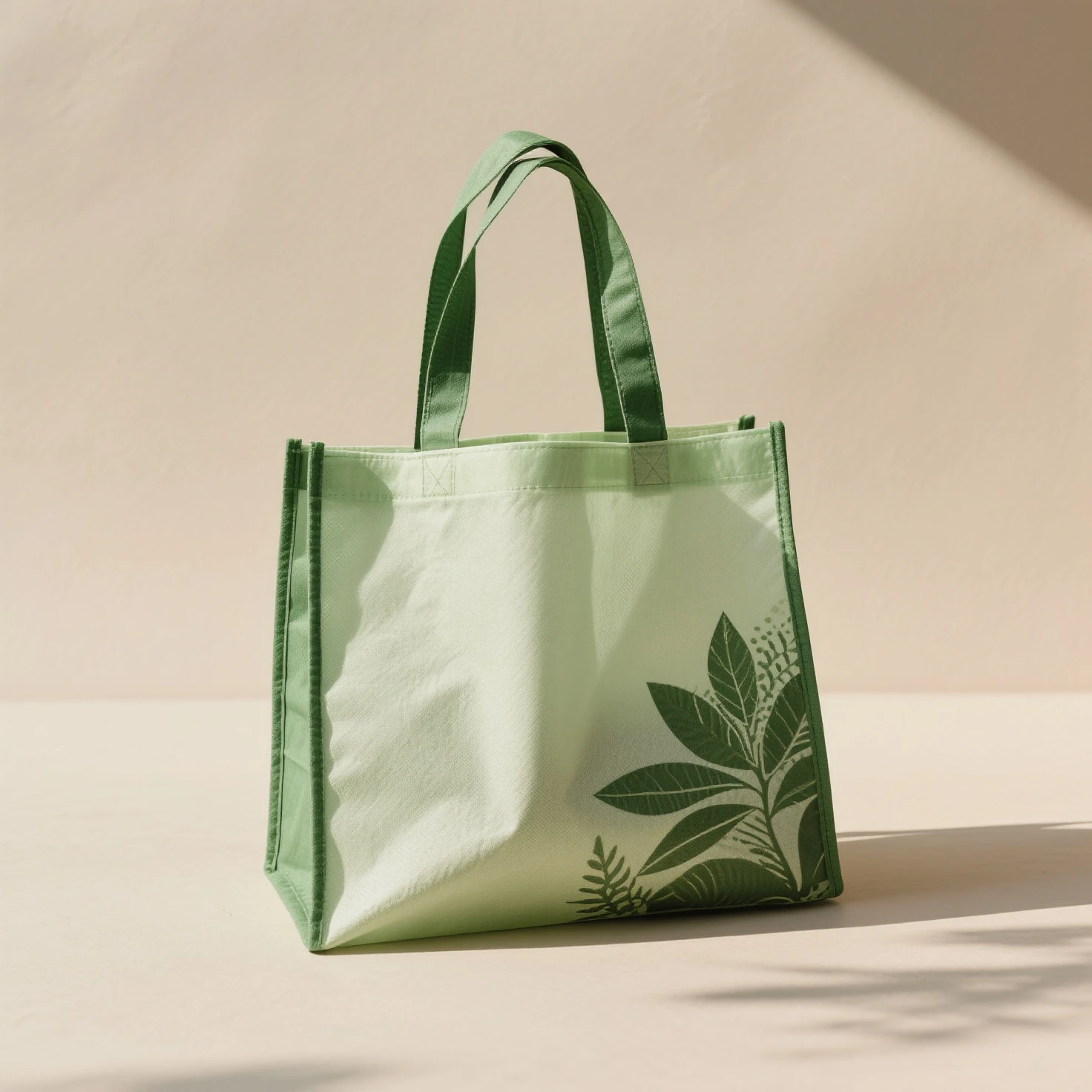
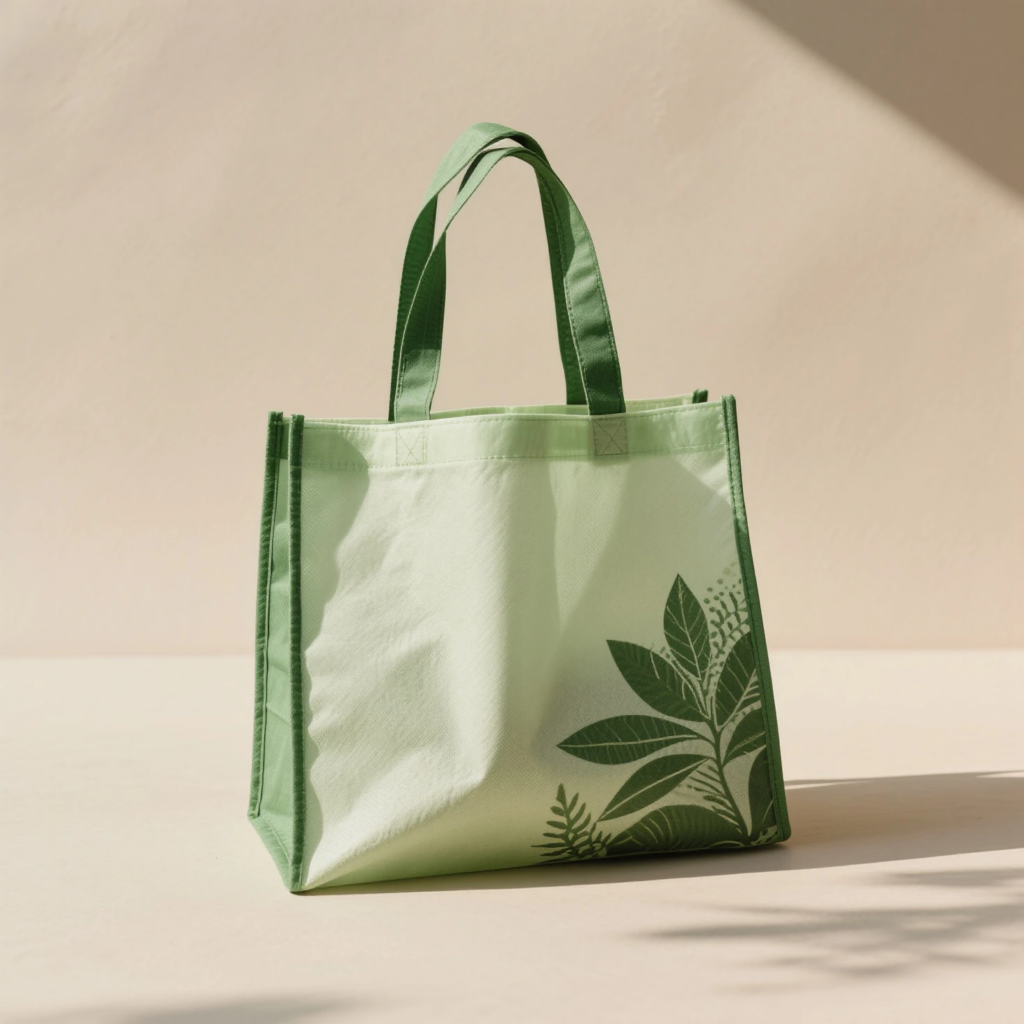
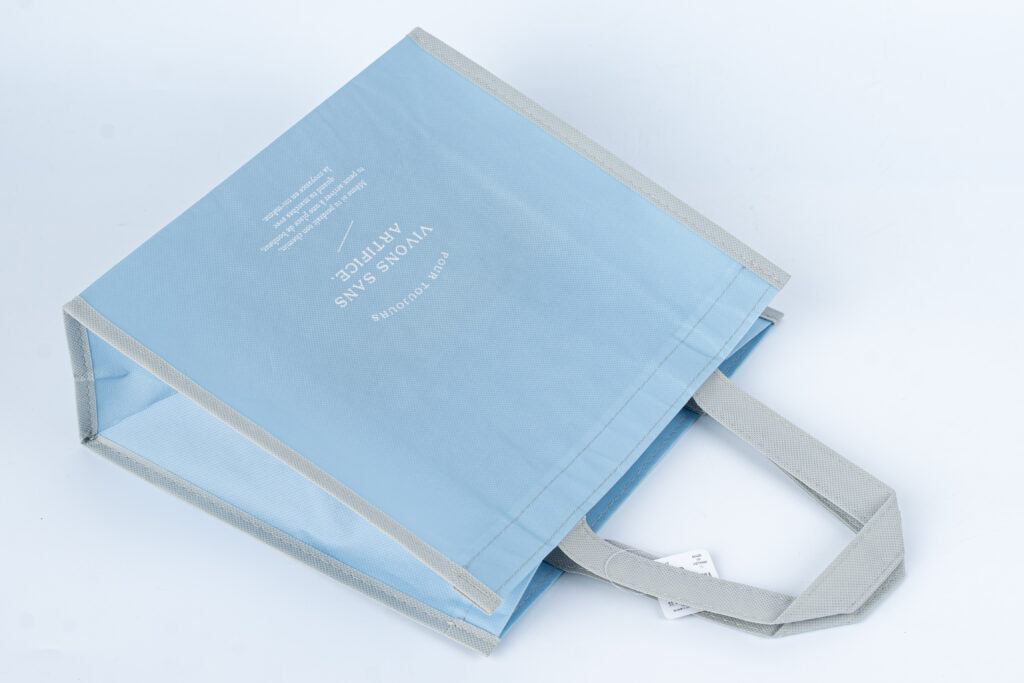
In the fashion sector, green packaging design allows brands to demonstrate their sustainability commitment right from the packaging stage. Popular options include recycled kraft paper bags from sustainable forestry, green box solutions, eco-friendly bags made from natural fibers and natural fabrics, jute bags, cotton bags, hemp bags, and reusable packaging made from PP/BOPP woven materials. These packaging alternatives offer superior durability compared to traditional nylon bags or polyester bags.
Sustainable packaging in fashion not only protects clothing and footwear from dust and moisture but also serves as a powerful marketing tool. Today’s eco-conscious consumers increasingly appreciate brands that use eco-friendly packaging, helping elevate the image of “green fashion” while demonstrating environmental responsibility.
2.4. Restaurants & Food Service Industry
Restaurants, cafes, and takeaway services generate enormous amounts of plastic waste from food containers, bags, and straws. Green packaging for restaurants typically includes PFAS-free compostable paper boxes, biodegradable plastic bags, BPA-free PE food wrap films, paper straws made from natural fibers, bamboo straws, and trays crafted from sustainable materials. These sustainable packaging solutions help reduce packaging pollution significantly while ensuring responsible disposal and proper end-of-life disposal management.
Switching to sustainable packaging helps food service businesses reduce long-term waste management costs, comply with restrictions on single-use plastics, and build stronger customer goodwill – especially among environmentally conscious diners who prioritize sustainable business practices and green business operations.
2.5. Branding & Corporate Gift Industry
Branding agencies, event organizers, and corporate gift companies are increasingly choosing green packaging to convey a sustainability message and strengthen brand positioning. From premium recycled paper bags and folding cartons to magnetic rigid boxes and custom-printed biodegradable plastic bags, these solutions make gifts look more luxurious and meaningful while enhancing customer satisfaction. Innovative packaging design using corrugated cardboard and tin boxes adds both aesthetic appeal and environmental value.
Eco-friendly packaging in this field not only protects products but also strengthens the brand’s image as a socially responsible organization. It is particularly suitable for CSR campaigns and gifts for partners or premium clients who value sustainable practices and environmental stewardship.
2.6. Retail Industry
Supermarkets, convenience stores, and e-commerce platforms consume vast quantities of packaging. Green packaging in retail includes biodegradable shopping bags, self-decomposing PE bags as plastic bag alternatives, multi-layer packaging for consumer goods, shipping boxes made from recycled materials, and PE stretch films for pallet wrapping. Retailers are moving away from traditional nylon bags and polyester bags toward more sustainable options that improve operational efficiency while reducing shipping costs and transportation costs through right-sized packaging and minimal packaging approaches.
Many large retail chains in Vietnam have replaced traditional plastic bags with sustainable packaging to align with the national plastic waste reduction plan. This move not only helps reduce plastic pollution and landfill waste but also attracts environmentally aware customers who seek reusable packaging options and make purchasing decisions based on environmental values.
3. Main reasons green packaging is the new trend
3.1. Strong shift in Consumer Awareness
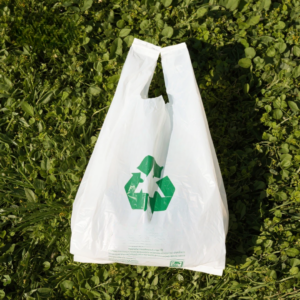
Today’s consumers, especially Millennials and Gen Z, are increasingly environmentally conscious and actively support the green movement. They prefer products with green packaging or sustainable packaging over single-use plastic, demonstrating their commitment to environmental responsibility and sustainable practices. This shift in consumer demand is driving businesses to capture greater market share in the growing green packaging market through eco-friendly initiatives.
Recent surveys show that over 90% of urban Vietnamese consumers are willing to pay more for items using eco-friendly packaging. This change drives businesses to adopt green packaging to meet market demand from eco-conscious consumers who prioritize green business values and environmental stewardship in their purchasing decisions.
3.2. Legal Regulations & Environmental Policies
The Vietnamese government is tightening environmental regulations and packaging regulations on plastic waste reduction and landfill waste management for environmental protection. National plans require supermarkets and shopping centers to switch to environmentally friendly packaging alternatives instead of hard-to-decompose plastic bags.
From 2026, certain single-use items will face circulation restrictions, and a plastic packaging tax may be implemented to discourage non-sustainable options. Globally, Extended Producer Responsibility (EPR) holds companies accountable for collecting and recycling their packaging through sustainable materials management. These policies make green packaging an inevitable trend in the packaging industry, encouraging businesses to conduct life cycle assessment studies and adopt packaging alternatives that support the circular economy.
3.3. Business Benefits & Sustainable Development
Adopting green packaging helps companies achieve regulatory compliance while enhancing brand positioning and customer satisfaction. Sustainable packaging reduces long-term costs through packaging optimization, use of renewable biomass, and recycling initiatives, delivering significant cost savings through material reduction and energy efficiency improvements. It also supports ESG criteria and sustainability goals, making it easier to attract international partners and expand exports. Implementing sustainable business practices through life cycle assessment and sustainable materials management demonstrates corporate environmental responsibility.
4. Stavian Packaging – Quality green packaging solutions
As one of Vietnam’s leading packaging manufacturers, Stavian Packaging is pioneering sustainable development through green technology and bioplastic product lines. Our Green Packaging Factory specializes in delivering sustainable packaging solutions with large-scale production capacity, modern technology, and rigorous quality assurance processes.
View our green packaging products here: https://stavianpackaging.com/product/