

Polypropylene non-woven fabric (PP non-woven fabric) has become a familiar choice in many industries as well as in daily life. With outstanding advantages such as durability, light weight, breathability, and eco-friendliness, this fabric not only replaces many traditional materials but also contributes to reducing plastic waste. The following article will provide you with everything you need to know about PP non-woven fabric, from its definition and characteristics to its most common applications today.
1. What is PP Non-Woven Fabric?
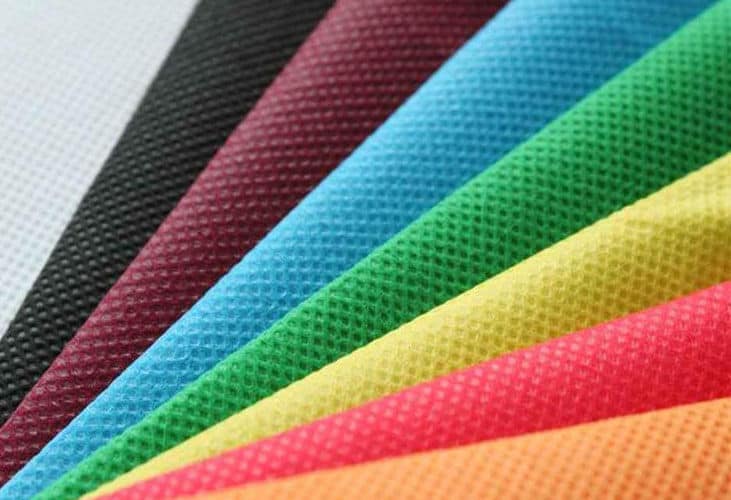
PP non-woven fabric (Polypropylene non-woven fabric) is produced from polypropylene fibers – a widely used thermoplastic. Unlike traditional woven fabrics, they do not require warp, weft, or knitting methods. Instead, the fibers are bonded together using mechanical, chemical, or thermal techniques. Thanks to this technology, PP non-woven fabric is strong, lightweight, eco-friendly, and widely applied in both daily life and industrial fields.
Today, PP non-woven fabric is increasingly favored due to its recyclability, safety for health, and lower production costs compared to many traditional fabrics.
2. Characteristics of PP Non-Woven Fabric

PP non-woven fabric possesses many outstanding features, making it suitable for green and sustainable consumption trends:
Lightweight and durable: Despite being light, the fabric maintains high durability and resists tearing or damage during use.
Breathable and absorbent: Its soft and breathable surface ensures comfort and safety when in direct contact with skin.
Antibacterial and water-resistant: With special treatment technology, the fabric can resist water and bacteria, making it highly suitable for medical applications.
Eco-friendly: PP non-woven fabric can be recycled and biodegraded under suitable conditions, helping to reduce plastic waste.
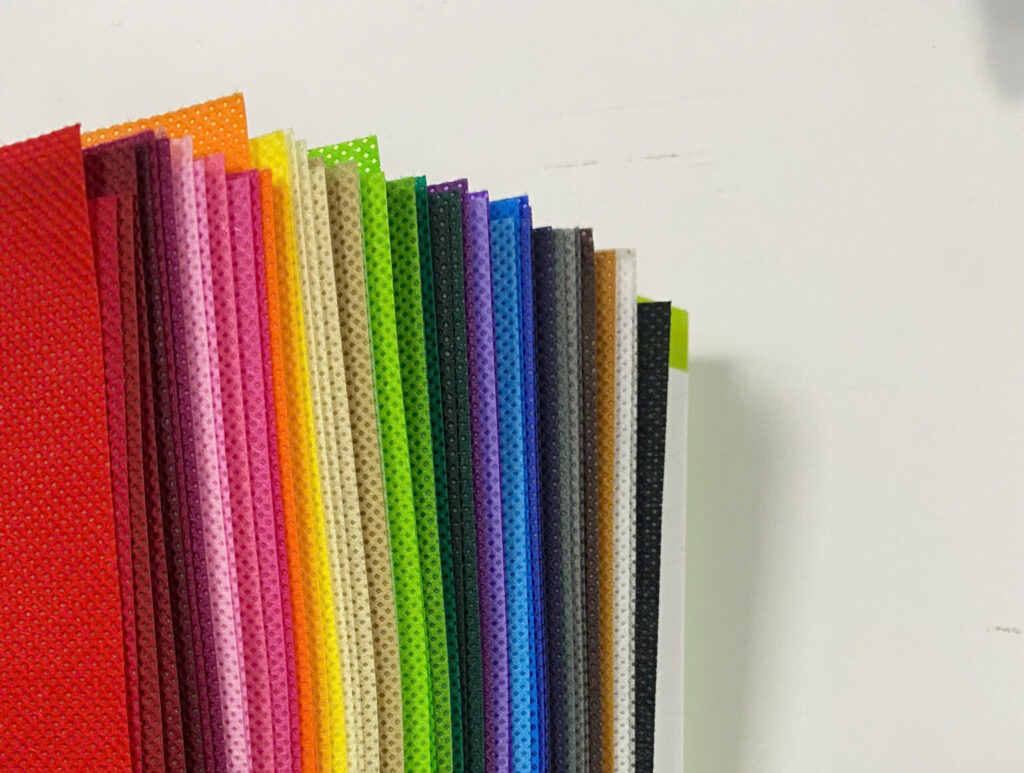
Variety of colors and sizes: Easily produced in different thicknesses and colors to flexibly meet usage needs.
Cost-effective: Lower production costs compared to many traditional fabrics, making it suitable for mass production.
3. Applications of PP Non-Woven Fabric
Thanks to its outstanding advantages, PP non-woven fabric is widely used across many industries:
Medical field: The main material for producing medical masks, surgical gowns, caps, shoe covers, and other disposable supplies. Its antibacterial, breathable, and water-resistant properties effectively protect users’ health.
Daily life: Eco-friendly non-woven bags as an alternative to plastic bags, gift packaging, wipes, disposable pillow covers, and more are trusted by both businesses and consumers.
Agriculture: Used as agricultural mulch to retain moisture, reduce weeds, protect crops from pests, and withstand harsh weather conditions.
Fashion and interior design: Commonly used as shoe linings, suitcase linings, sofa covers, curtains, and decorative accessories.
Non-woven PP fabric is a modern, durable, versatile, and eco-friendly material solution. With its outstanding features and wide range of applications, this fabric has increasingly affirmed its importance across many industries. If you are looking for an effective alternative material, non-woven PP fabric is definitely a top choice.
Looking for high-quality non-woven fabric products?
Contact us today! Stavian Green Packaging is a leading manufacturer of non-woven fabric and non-woven products, committed to delivering the right solutions with high quality, affordable prices, and reliability to meet every customer’s need.
Discover more of our products here: https://greenbags.stavianpackaging.com/products/
